Software Development and Integration in Digital Signage & ESL
Discover how software development enables seamless synchronization between electronic shelf labels, digital signage, and retail ERP systems. A technical guide by KONEKT.
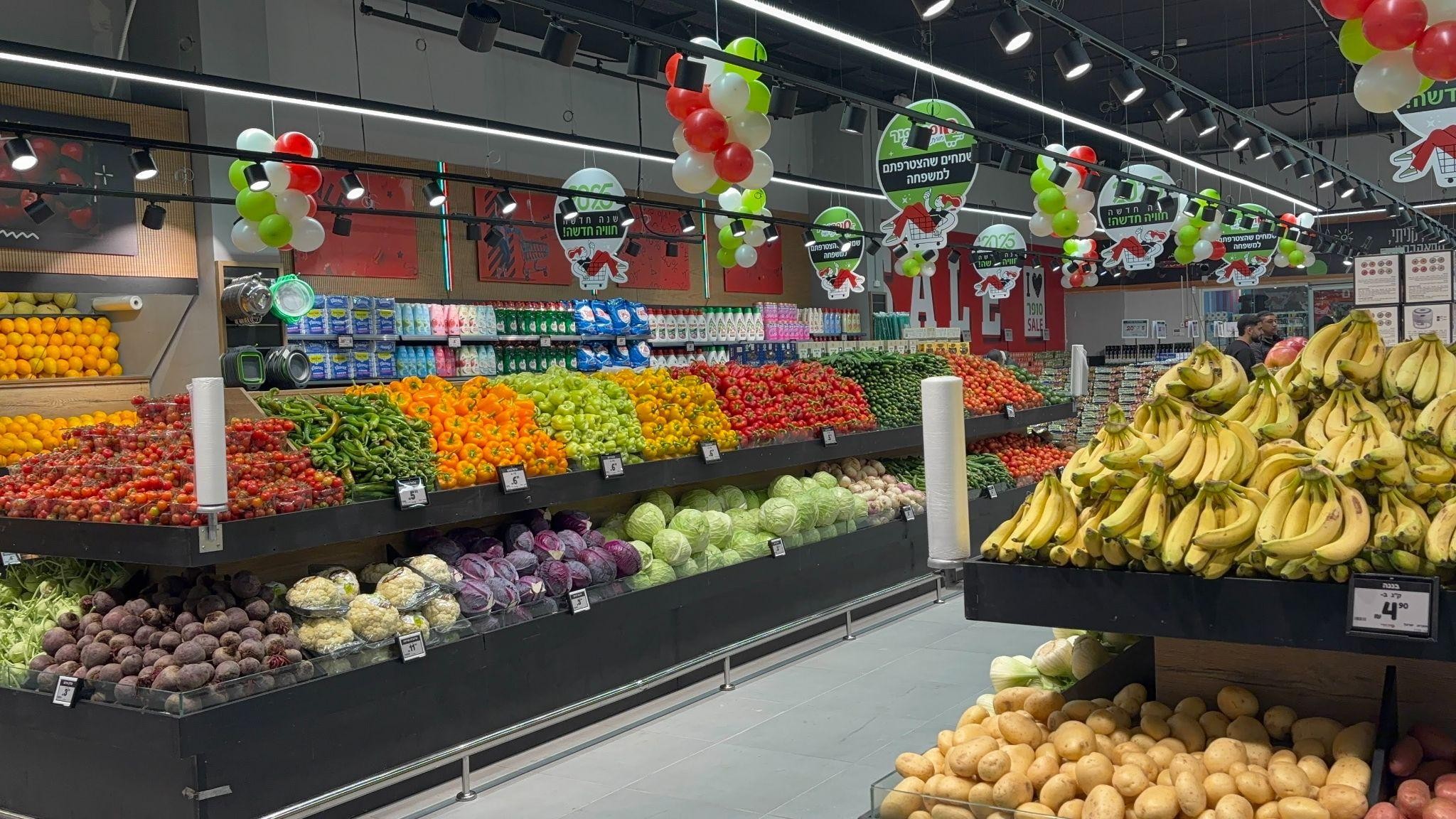
In the modern retail world, operational complexity is constantly increasing. The need to update prices in real-time, display relevant promotions on screens, and maintain data consistency between the shelf and the checkout requires much more than high-quality hardware. The core of SMART KONEKT's solutions relies on advanced software development, enabling the construction of a technological bridge between the inventory and pricing management system (ERP) and the end points scattered across branches.
Why Software Development is Key to Digital Signage Success
When a chain like 'Pizza Hut' implements digital menu boards, or 'Good Pharm' uses gondola-end screens and shelf-talker displays, the system must be stable and secure. Dedicated software development allows chain managers to control content from a single Central Management System (CMS), distribute updates to hundreds of screens with a click, and monitor equipment health remotely.
The ability to adapt software to customer needs is critical. For example, in complex deployments including outdoor screens and lobby/queue displays (as seen in the deployment of over 100 door screens at Meuhedet), the software must interface with external appointment scheduling systems and display dynamic information without latency.
The Technological Complexity Behind Electronic Shelf Labels (ESL)
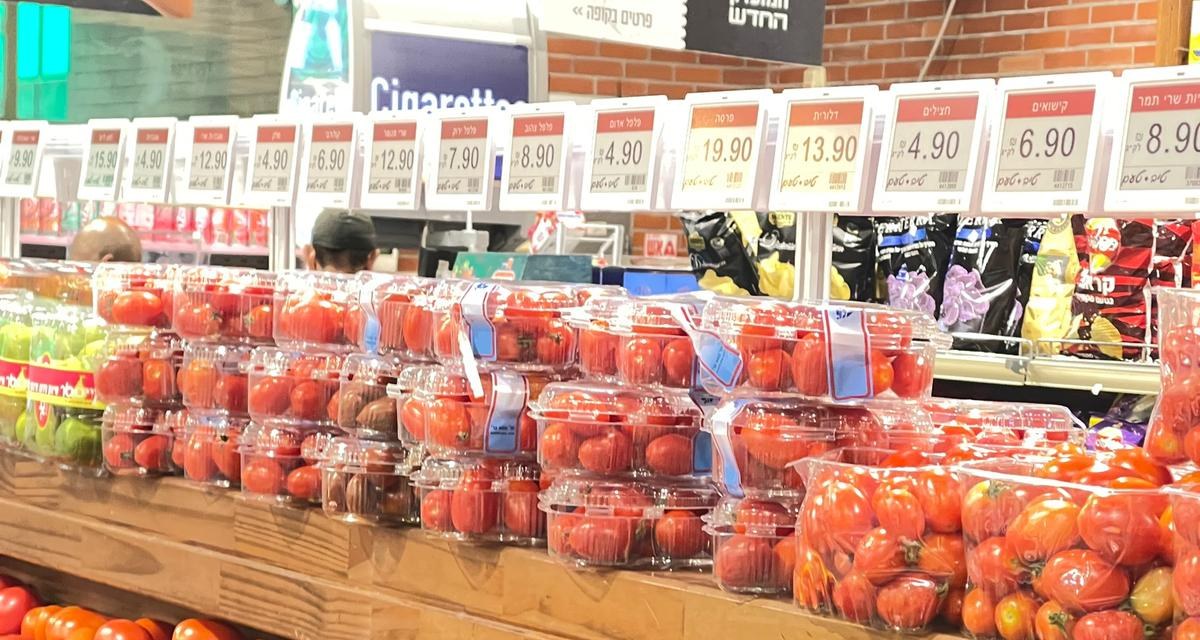
Unlike video-based digital signage, ESL (Electronic Shelf Labels) technology requires a completely different software architecture. Here, software development focuses on energy efficiency, data security, and absolute accuracy. The system must pull data from the chain's central database, transmit it through dedicated on-site Gateways, and update the e-paper labels.
| Technical Feature | Digital Signage | Electronic Shelf Labels (ESL) |
|---|---|---|
| Content Type | Video, animation, high resolution | Text, barcodes, static graphics (e-paper) |
| Connectivity Requirements | High bandwidth for media streaming | Low-power long-range wireless communication |
| Development Goal | Customer experience and upsell | Price accuracy and operational efficiency |
| Integration | Content Management Systems (CMS) | ERP/Pricing systems and POS synchronization |
Centralized Management: Cloud vs. On-Premises
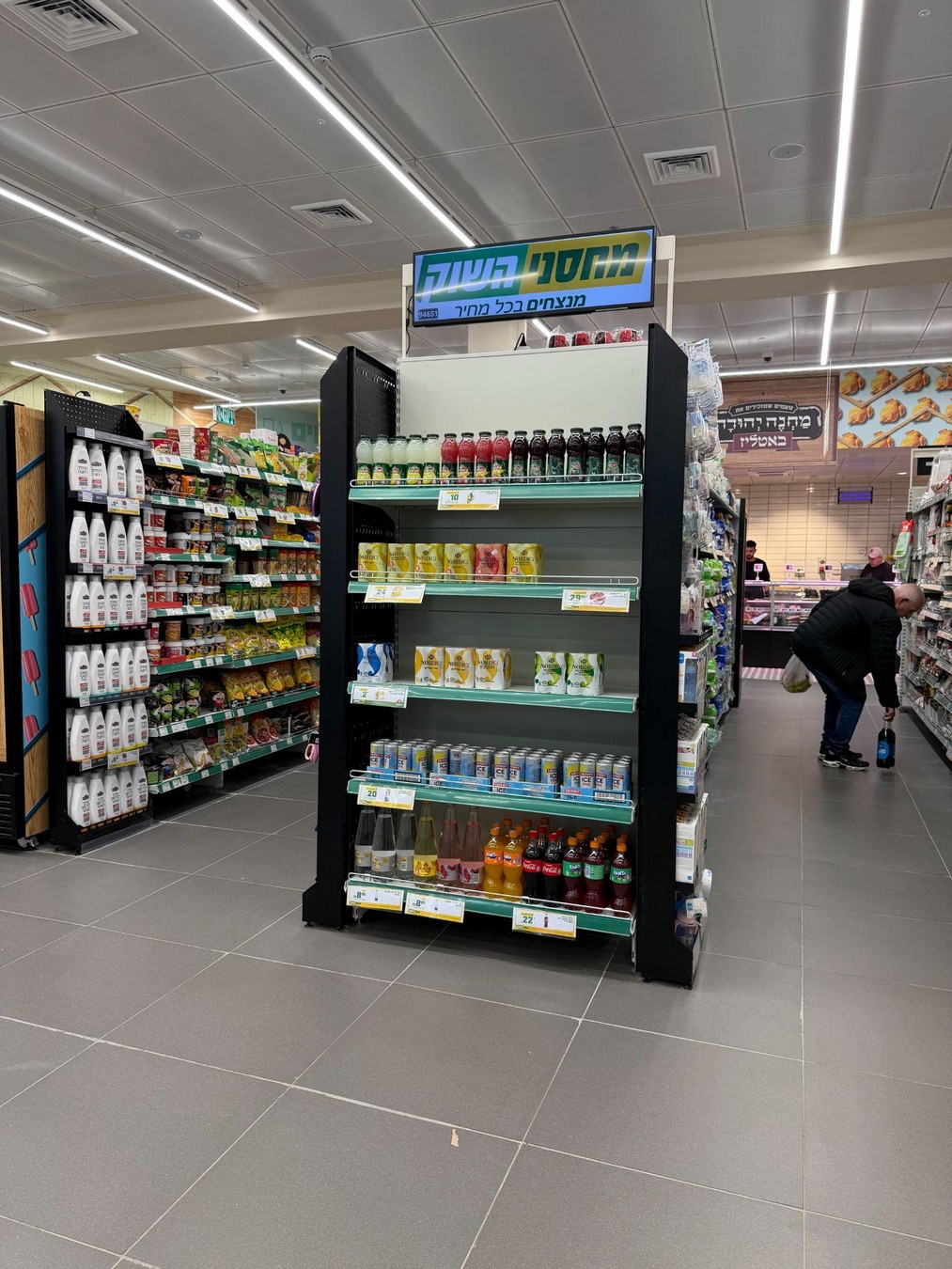
One of the significant dilemmas for large chains is where to host the management system. At SMART KONEKT, we allow full flexibility. The 'Tiv Taam' chain, for example, chose an ON-PREM system installed on corporate servers but monitored remotely by our team of experts. In contrast, 'Mahsanei HaShuk', which operates ESL in 14 branches (with dozens more in the pipeline), enjoys a flexible system allowing full control over thousands of price tags.
SMART KONEKT Monitoring Capabilities
- Battery status monitoring for price tags (lasting for years).
- Monitoring Gateway connectivity to the corporate network.
- Verifying content broadcast health to advertising screens.
- Remote version updates without physical on-site intervention.
Tailored Solutions for Various Sectors
The needs of coworking spaces differ from those of a supermarket. In shared spaces, software development focuses on connecting to meeting calendars and displaying room availability in real-time. In the restaurant sector, the emphasis is on automatic menu changes between breakfast and dinner and rapid price updates (without ERP synchronization in Pizza Hut's case).
Frequently asked
Related solutions
Digital signage
Smart screens and central content management across every branch.
Electronic shelf labels
Automatic, real-time price updates on every shelf.
In-store advertising screens
Gondola heads, shelf toppers and window displays that update themselves.
Choosing a signage system
A capability table and the questions worth asking any vendor.
All solutions
Retail, clinics and shared spaces — one platform.