How to prevent price errors in supermarkets — a practical guide
Shelf-to-POS price gaps are one of the biggest risks in retail. Here's how to bring them to zero with electronic shelf labels and the right processes.
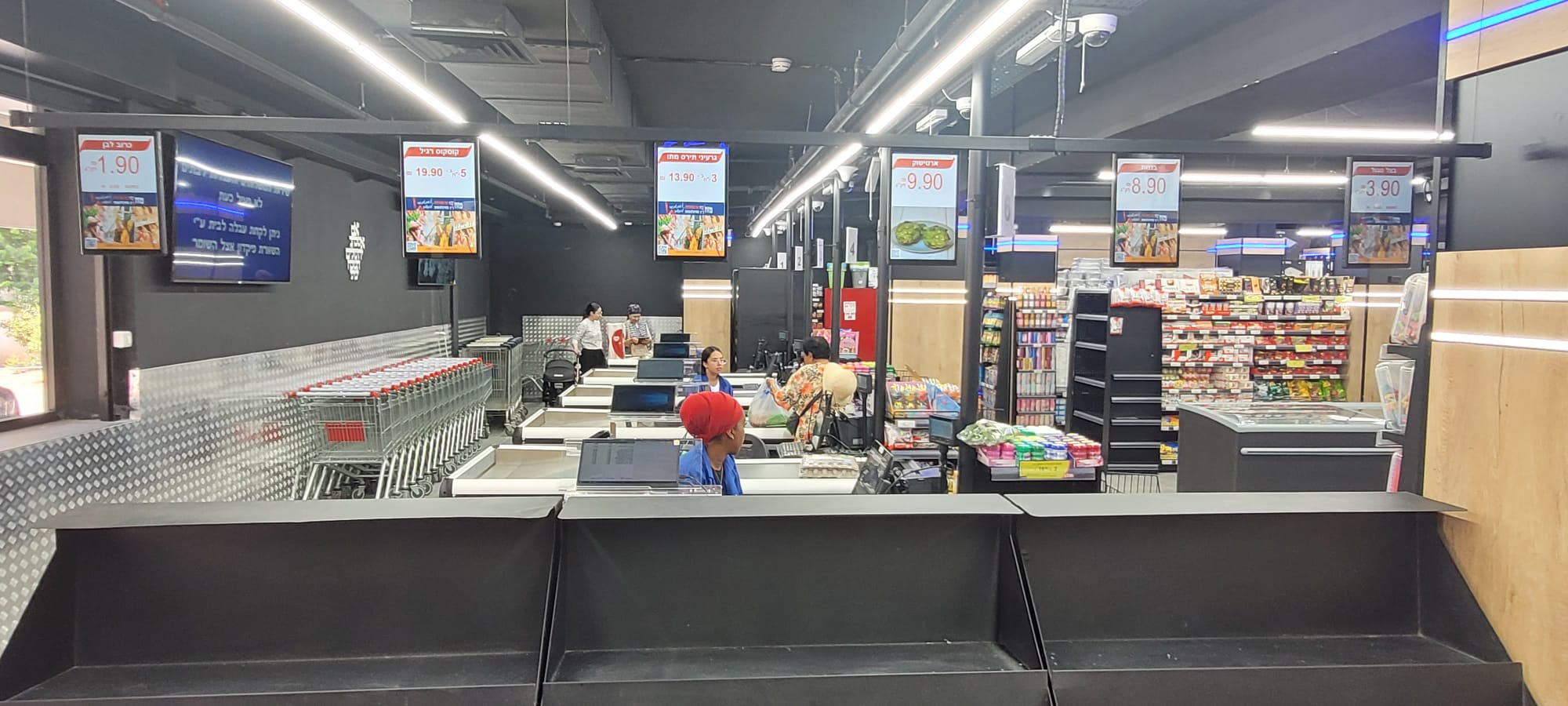
One of the most common complaints about supermarkets is a price mismatch between the shelf and the POS. The customer feels cheated and the chain is exposed to regulators. The good news: it's a solvable problem.
Why do price gaps happen?
- Price changes in the central system, but it takes days for the shelf label to update.
- Human error in printing or sticking.
- Promo labels not removed after the promo ends.
- Labels falling off or swapped between positions.
Four practical steps to zero gaps
1. One pricing source
POS and shelf must read price from the same source. If two systems maintain prices in parallel, they will drift. Integrate via KONEKT to enforce a single source of truth.
2. Move to ESL
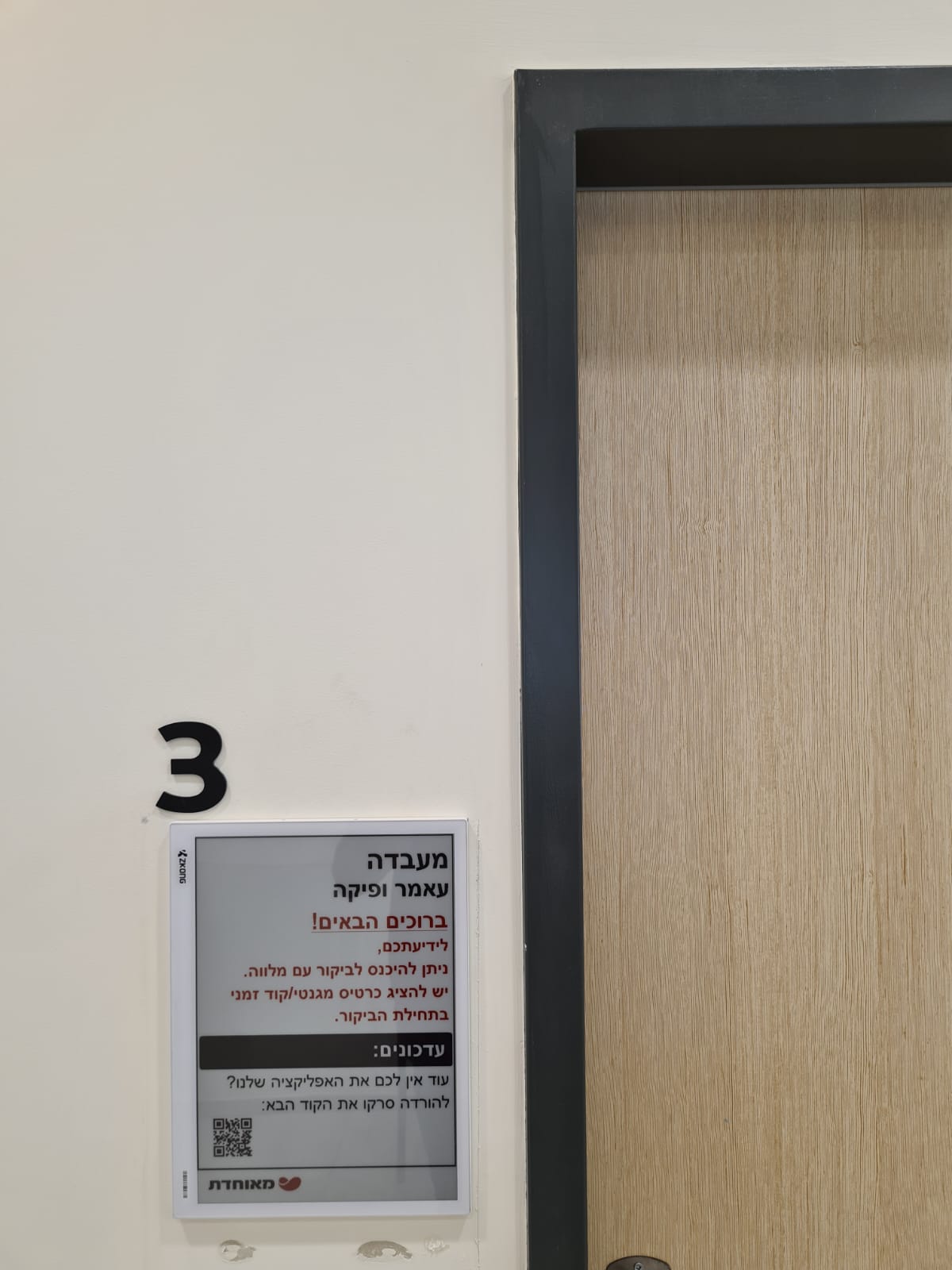
Paper will never keep pace with your pricing system. ESL updates within seconds, automatically — no human in the loop.
3. Monitor gaps in real time
The KONEKT CMS knows the state of every tag. If a tag fails to sync, you get an alert before the customer reaches the till.
4. End-of-promo workflow
When a promotion ends, the CMS reverts every relevant tag back to the normal price automatically — no need for branch staff to remember.
Frequently asked
Related solutions
Digital signage
Smart screens and central content management across every branch.
Electronic shelf labels
Automatic, real-time price updates on every shelf.
In-store advertising screens
Gondola heads, shelf toppers and window displays that update themselves.
Choosing a signage system
A capability table and the questions worth asking any vendor.
All solutions
Retail, clinics and shared spaces — one platform.