ESL vs. paper labels — TCO, sustainability and price accuracy compared
A numerical comparison between paper tagging and electronic shelf labels: long-term cost, environmental impact, price accuracy, staff time.
The first question every retail manager asks before moving to ESL is 'does it pay off?'. The short answer: almost always — but it's worth understanding the numbers.
1. Printing and logistics cost
A mid-sized supermarket prints 8,000–15,000 paper labels per month. Beyond paper and ink, you have to factor in the staff hours spent printing, cutting, carrying and sticking.
2. Cost of price errors
Shelf-to-POS price gaps expose the chain to consumer protection fines and class action exposure. A single incident can cost hundreds of thousands.
3. Environmental impact
A mid-sized store generates roughly 150 kg of label waste per year. ESL practically eliminates that and helps with ESG targets.
4. Accuracy and marketing flexibility
- Same price source for POS and shelf — zero gaps.
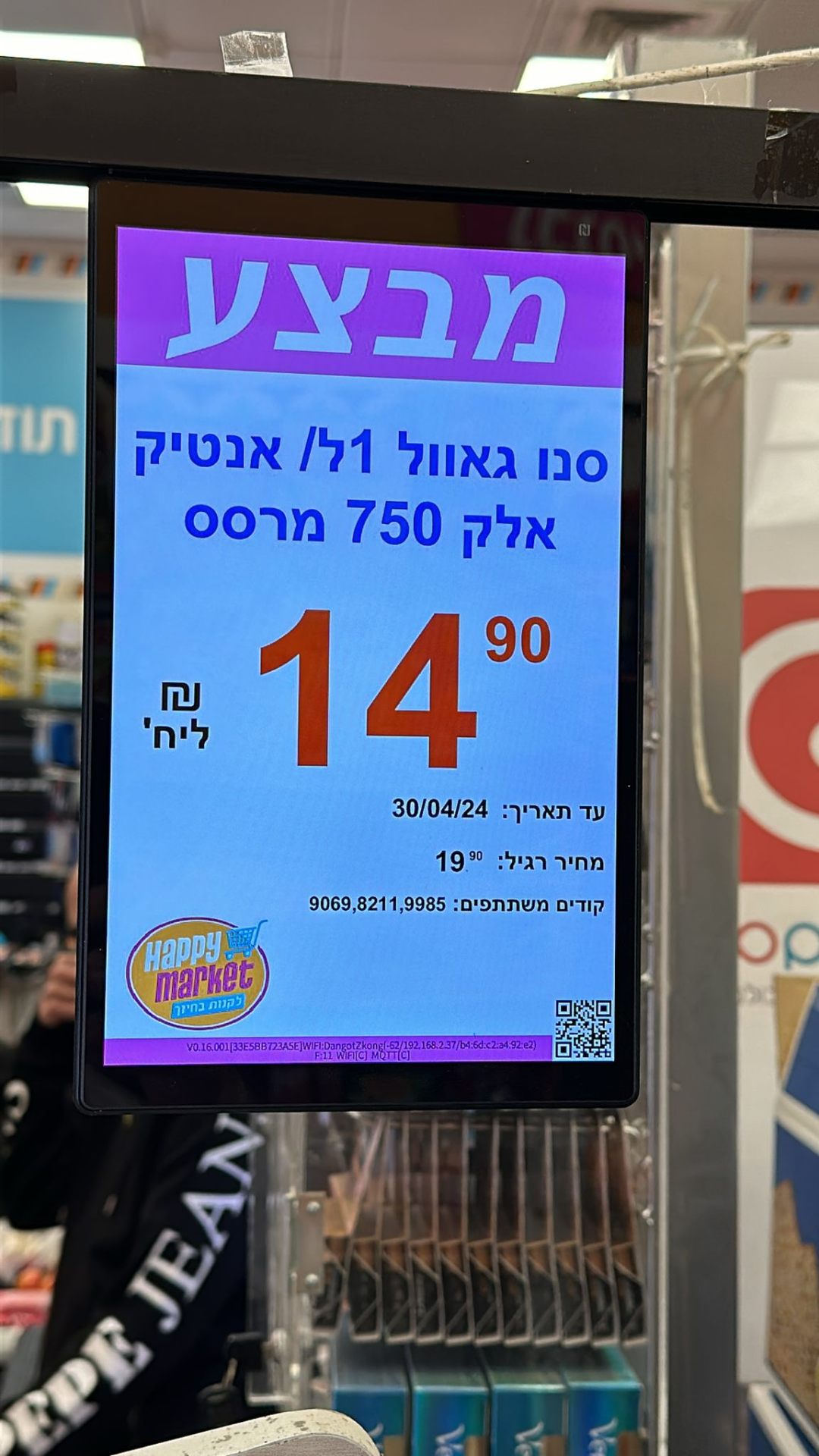
- Chain-wide promotion change in one click.
- Happy-hour pricing, hourly discounts, per-store per-product targeting.
5. Typical ROI
At KONEKT we see average payback of 18–24 months in mid-sized supermarkets, and under 12 months in pharmacy stores with intensive promotional cycles.
Frequently asked
Related solutions
Digital signage
Smart screens and central content management across every branch.
Electronic shelf labels
Automatic, real-time price updates on every shelf.
In-store advertising screens
Gondola heads, shelf toppers and window displays that update themselves.
Choosing a signage system
A capability table and the questions worth asking any vendor.
All solutions
Retail, clinics and shared spaces — one platform.