Digital Signage Pricing: ROI and Investment Guide (2026)
Digital signage pricing involves hardware, software, and operations. Learn how to build a smart budget for retail and food chains with KONEKT solutions.
When discussing digital signage pricing for retail, food, or healthcare chains, the question isn't just 'how much does the screen cost?' but rather what is the Total Cost of Ownership (TCO) and how does it deliver ROI. In the modern era, digital signage is no longer just a rotating image; it is a critical technological infrastructure managed remotely and synced with the core business.
Core Cost Components of Professional Digital Signage
The final price of a digital signage project is built upon four main pillars. Understanding each is key to avoiding budget surprises down the road:
- Hardware: Professional displays (High Brightness), media players, mounting solutions, and cabling.
- Content Management System (CMS): Licensing for the software that allows control over hundreds of branches with a single click.
- Implementation and Infrastructure: Physical installation at points of sale, network connectivity, and server setup (Cloud or ON-PREM).
- Maintenance and Monitoring: Support services, software updates, and remote monitoring by experts like SMART KONEKT.
Cost Comparison by Application Type
Digital signage prices vary dramatically based on location and purpose. A simple lobby screen is not comparable to digital menu boards in a fast-food chain requiring high reliability.
| Application Type | Main Cost Factors | Technical Requirements |
|---|---|---|
| Menu Boards | Multiple screens, built-in players | 16/7 or 24/7 continuous operation |
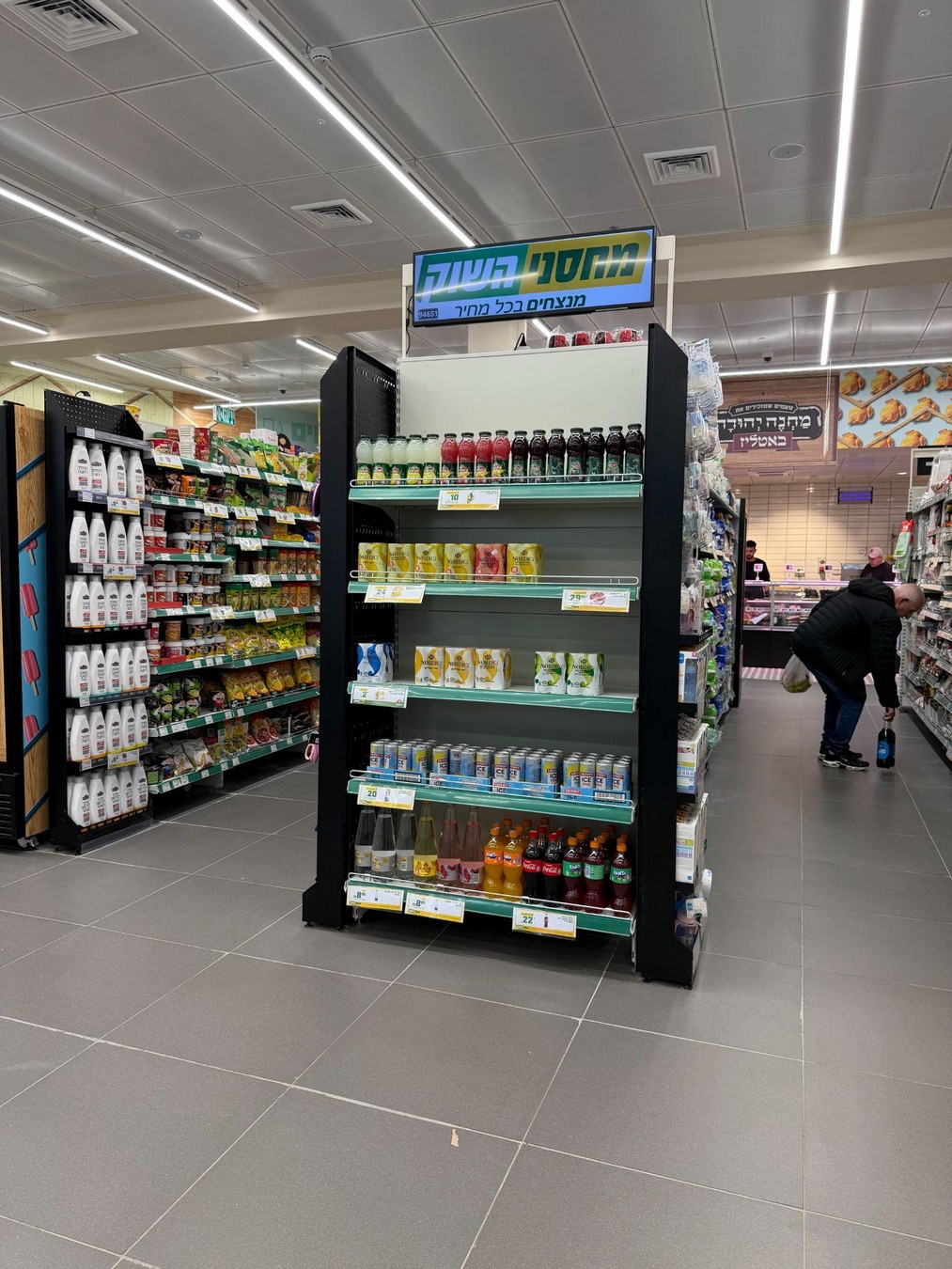
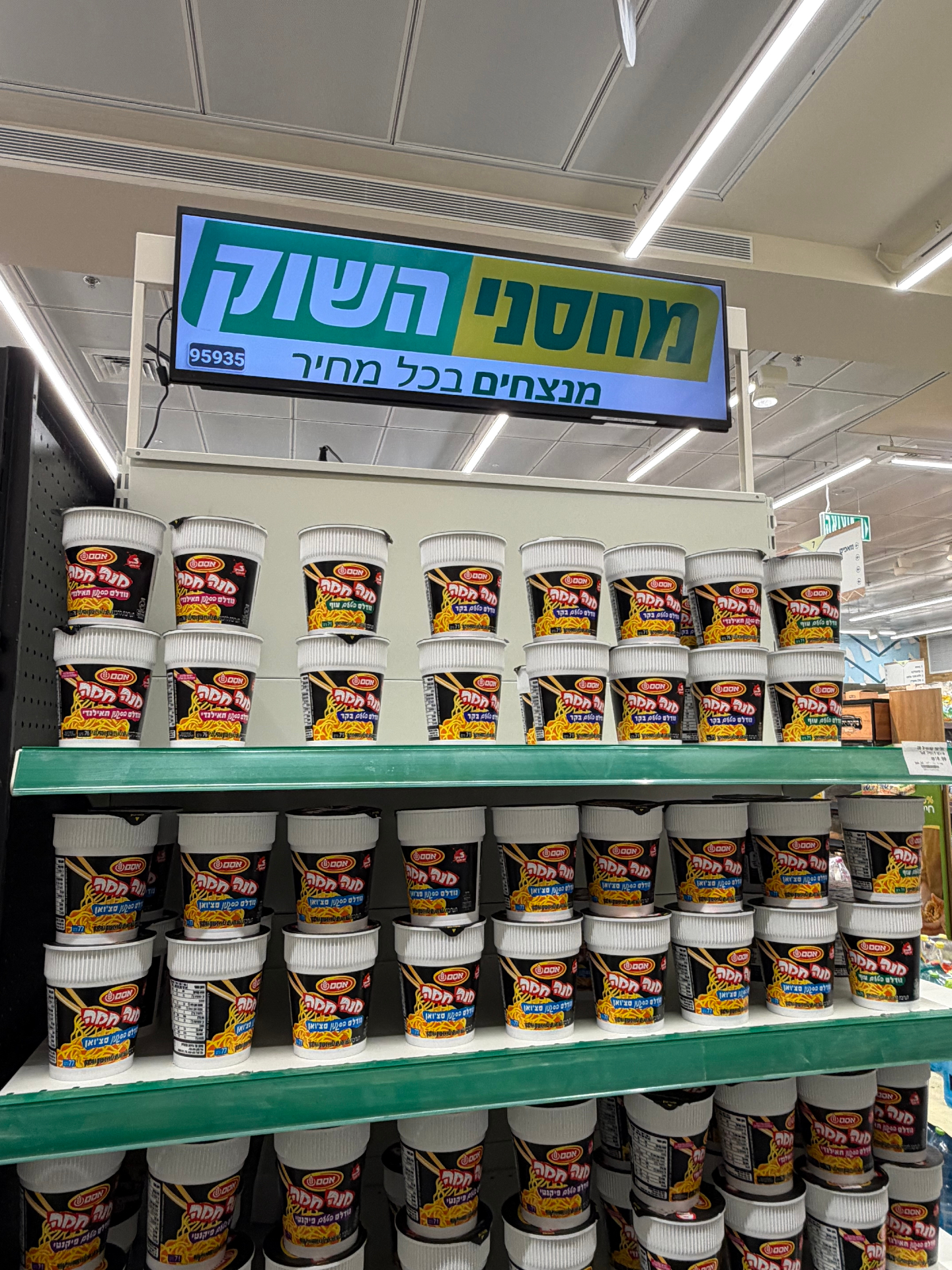
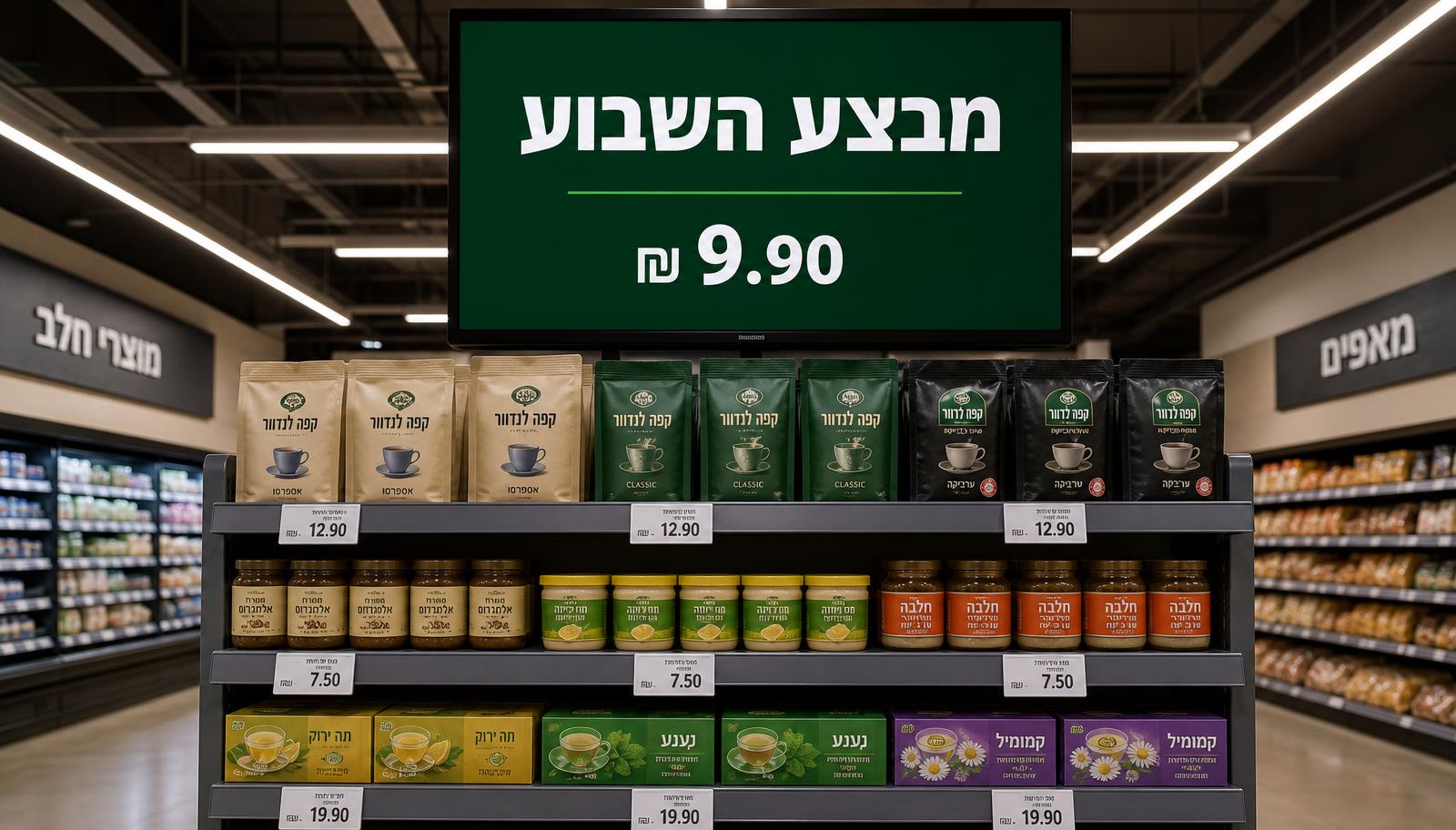
| Shelf Stoppers & Gondola Ends | Stretched displays, specialized mounts | Inventory management integration |
| Outdoor Screens | Protective enclosures, ultra-high brightness | Weather and vandalism resistance |
| Meeting Rooms & Entry Signs | Small tablets or 10-22" screens | Calendar sync (Outlook/Google) |
Business Value: When Does Pricing Become a Profitable Investment?
Return on Investment (ROI) comes from several directions. For chains like Pizza Hut, digital menu boards allow for rapid promotion updates without printing costs. In retail chains like Good Pharm, shelf-stopper screens catch the customer's eye at the exact moment of decision, increasing sales of promoted items.
Furthermore, for institutions like Meuhedet, the deployment of over 100 door screens streamlines patient navigation and saves valuable time for medical staff. Labor and printing savings are critical components of the profitability calculation.
CMS Cost Models: Cloud vs. On-Prem
One of the most significant decisions affecting price is the CMS deployment method. At Tiv Taam, for example, an ON-PREM system is implemented with remote monitoring, giving the organization full data control alongside the peace of mind of external management by SMART KONEKT.
How to Build a Digital Signage Budget for 2026?
- Define Needs: Is it for advertising only or operational use?
- Check Infrastructure: Are there power and network points at every planned location?
- Select Software: Ensure the CMS supports remote monitoring to prevent 'black screens'.
- Plan for Expansion: Choose a provider capable of supporting growth, as seen with Mahsanei HaShuk's gradual ESL and signage rollout.
Frequently asked
Related solutions
Digital signage
Smart screens and central content management across every branch.
Electronic shelf labels
Automatic, real-time price updates on every shelf.
In-store advertising screens
Gondola heads, shelf toppers and window displays that update themselves.
Choosing a signage system
A capability table and the questions worth asking any vendor.
All solutions
Retail, clinics and shared spaces — one platform.