Digital signage for retail chains — a 2026 decision guide
What to know before deploying digital signage across a retail chain: screen selection, CMS, integrations, use cases and KPIs.
Digital signage has become a core tool for modern retail chains — not just to 'look nice', but to drive sales, communicate promotions and improve customer experience.
The four main use cases
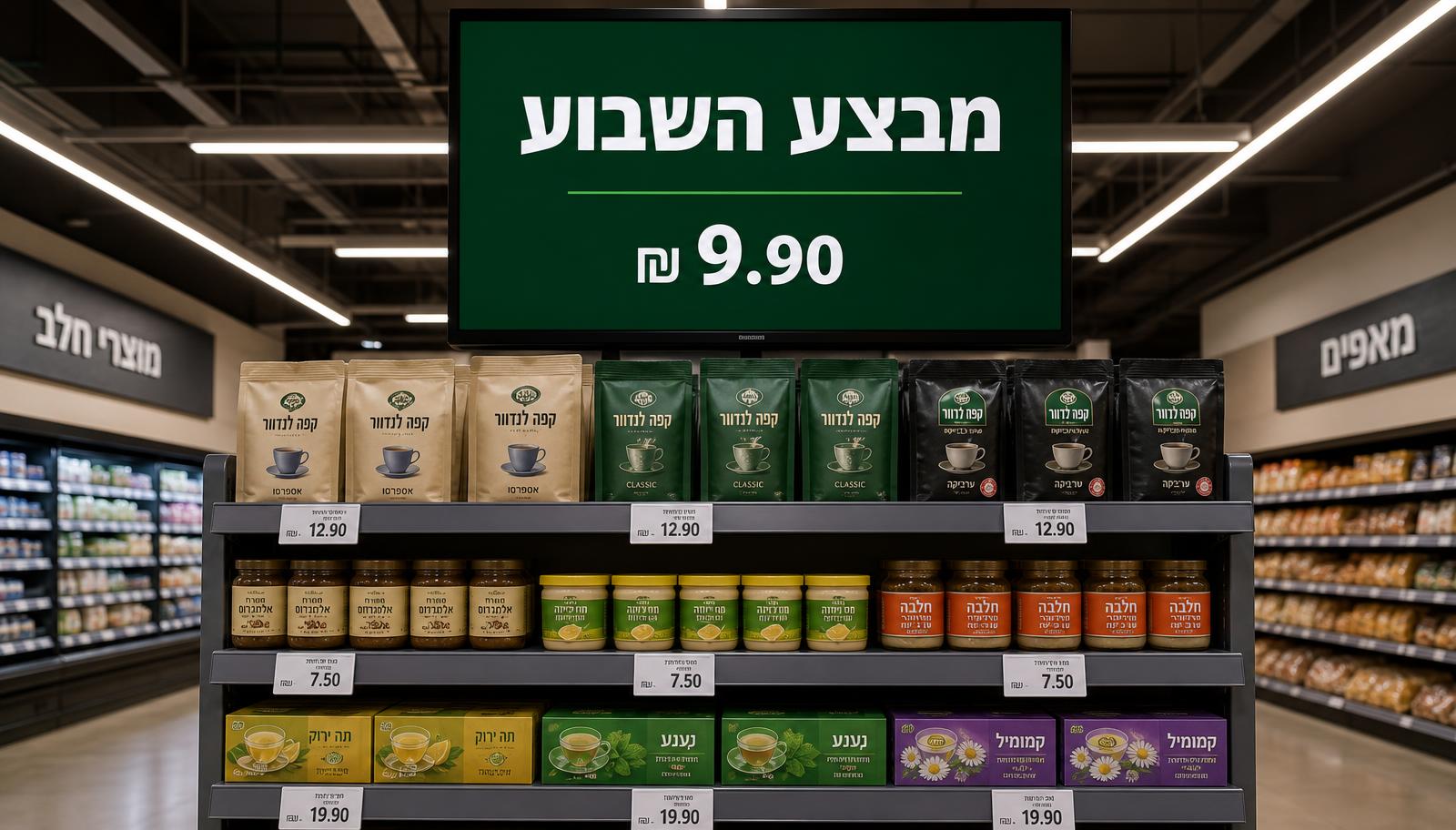
- Entrance & campaign screens — weekly promotions, product launches, brand messages.
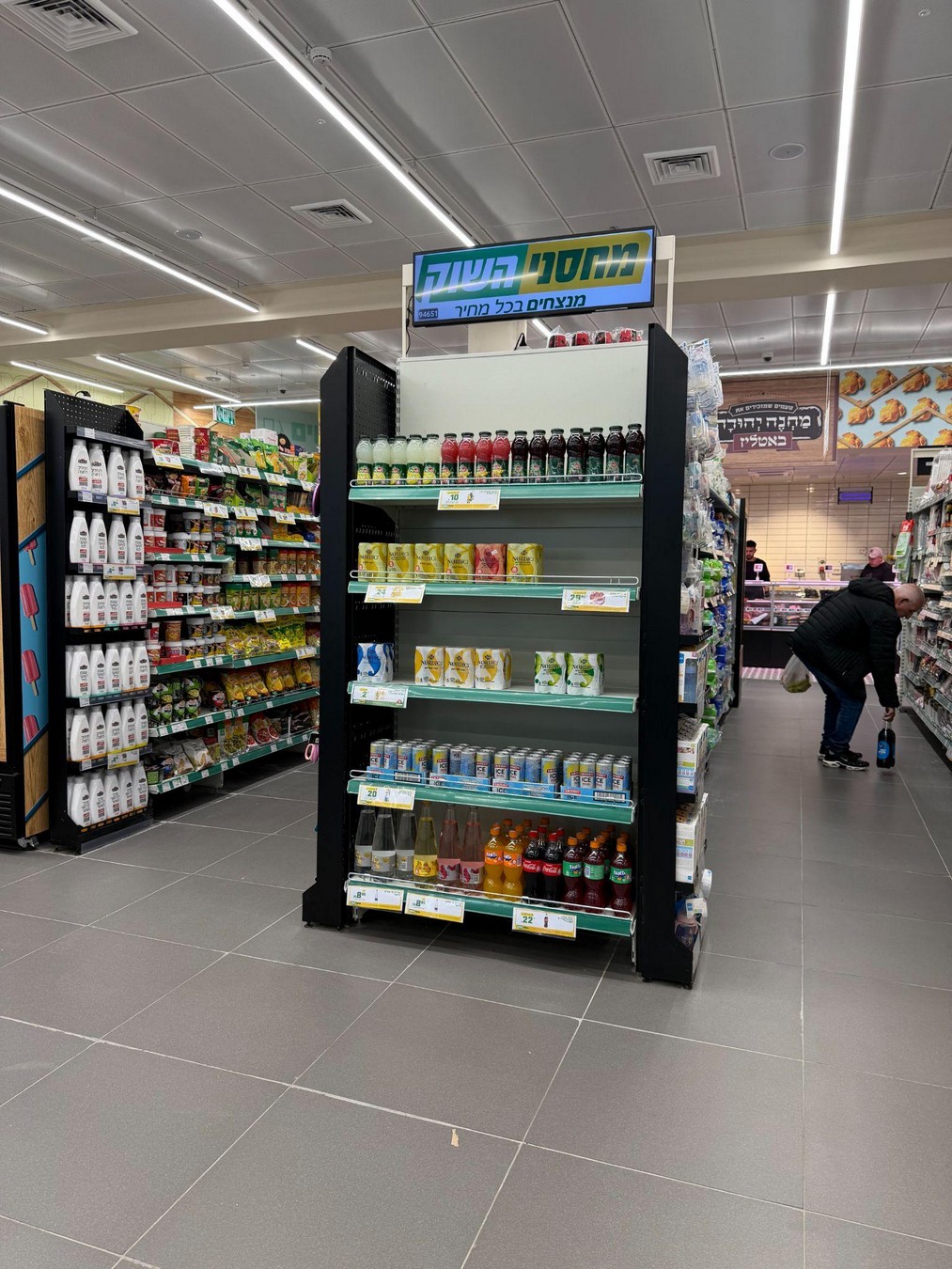
- Category / endcap screens — focused content at the relevant aisle.
- Checkout / queue screens — impulse offers, partnerships, supplier ads.
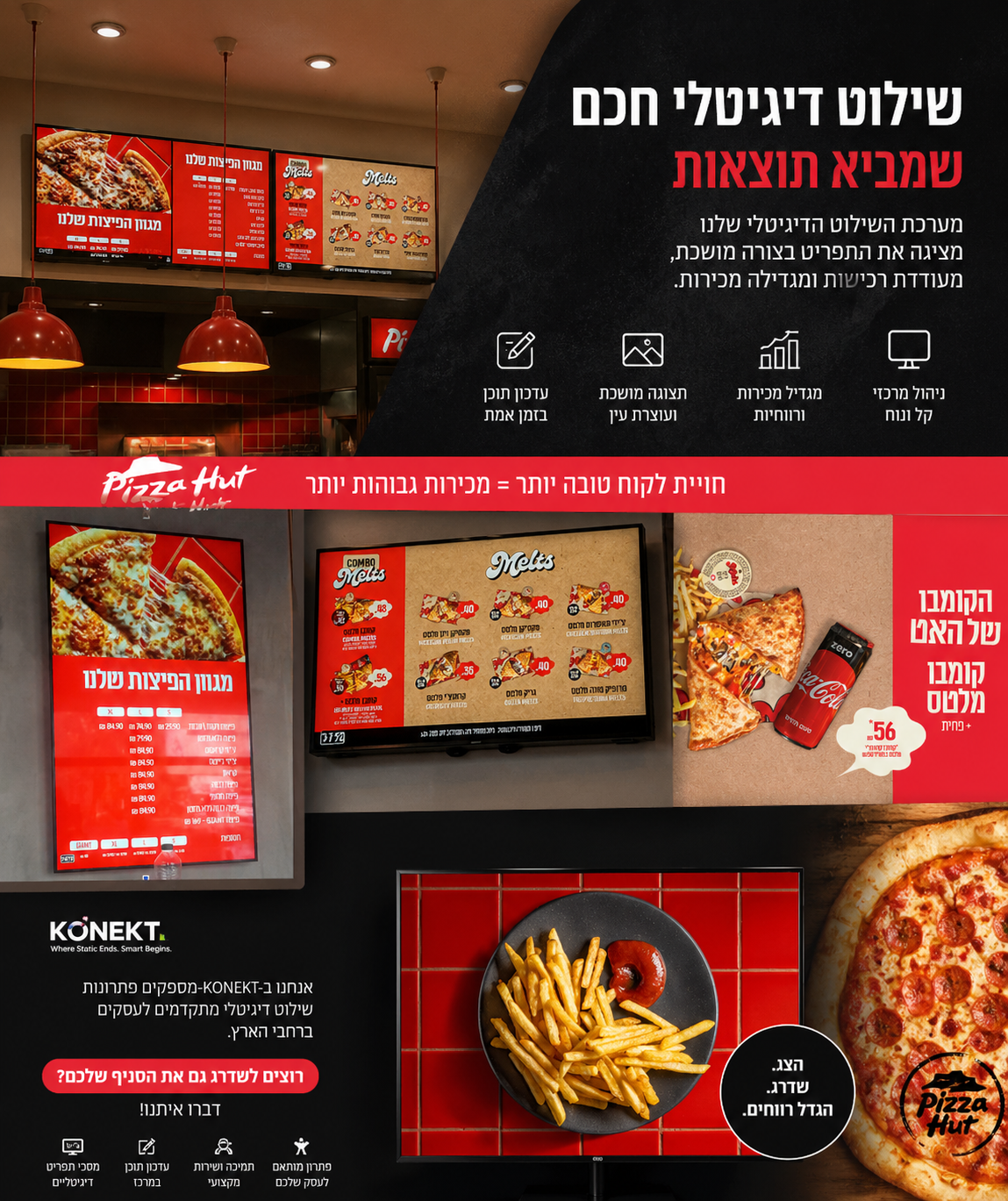
- Digital menu boards — for in-store food and QSR.
What to evaluate before you start
1. CMS — the heart of the system
Your CMS must support central management of every store, targeting by branch / region / time, advanced scheduling, and dynamic content sources (RSS, API, promo engine).
2. Integrations
Screens are only worth their weight if on-screen prices match POS prices. Demand full integration to ERP, promotion system and POS.
3. Hardware
Commercial-grade screens are built for 16/24 hour duty cycles. Consumer TVs burn out within months. Don't compromise.
4. Network resilience
Players must keep running when the internet drops. KONEKT players cache content locally and resync when connectivity returns.
KPIs worth measuring
- Screen uptime across all stores.
- Time from HQ content change to last-store display.
- Sales lift on featured products.
- Operational savings versus print and stickers.
Frequently asked
Related solutions
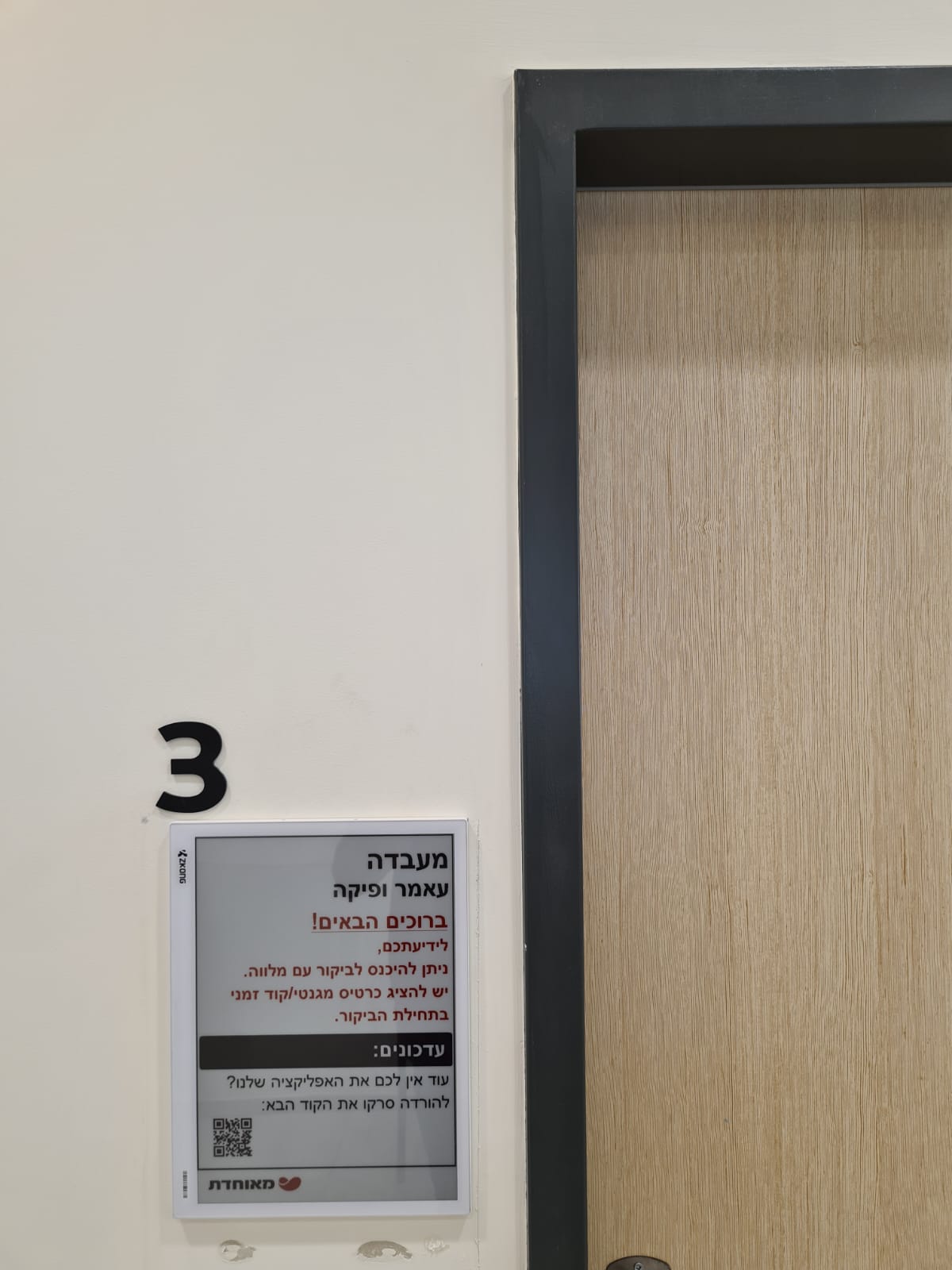
Digital signage
Smart screens and central content management across every branch.
Electronic shelf labels
Automatic, real-time price updates on every shelf.
In-store advertising screens
Gondola heads, shelf toppers and window displays that update themselves.
Choosing a signage system
A capability table and the questions worth asking any vendor.
All solutions
Retail, clinics and shared spaces — one platform.